
Assisted living is often misunderstood as a setting where personal freedom shrinks. Independence in assisted living is not about doing everything alone; it is about having the ability to make choices, keep personal routines, and live with dignity and confidence. When services are personalized, and residents are encouraged to lead their own day-to-day decisions, seniors can remain active participants in their lives physically, socially, and emotionally.
Care Plans Keep Personal Control
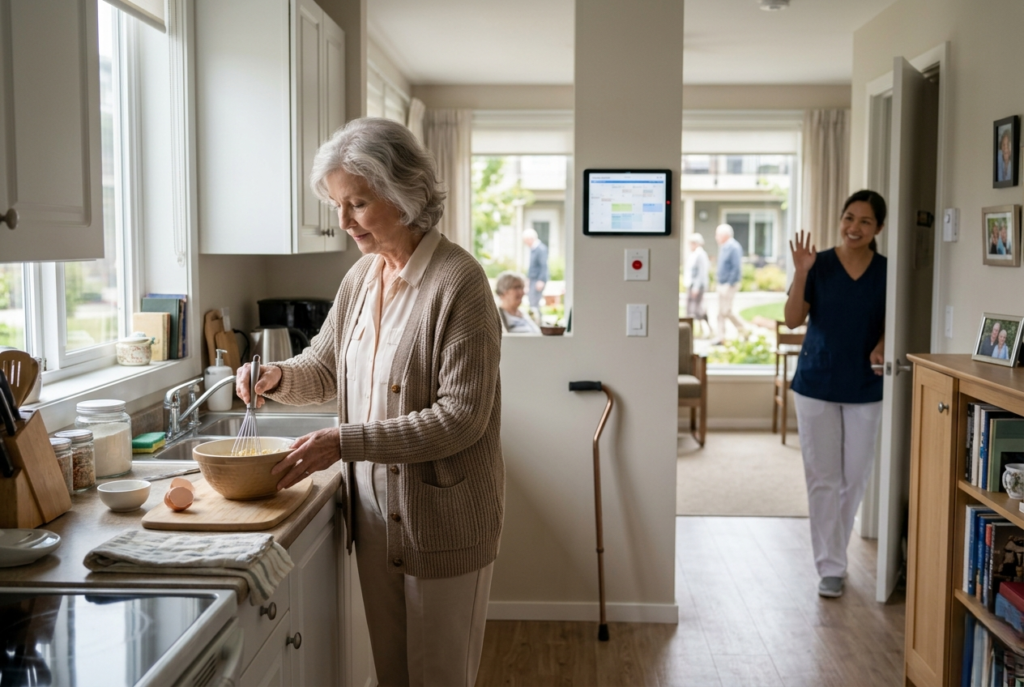
Independence starts with a care plan built around the resident’s preferences, strengths, and goals, not just medical needs. When seniors can decide how and when support is delivered, they remain in charge of their routines and lifestyle. Staff can assist with specific tasks while leaving everything else in the resident’s hands, which reduces dependency and reinforces capability. A well-designed plan also evolves over time, ensuring support increases only when necessary and in the least intrusive way.
Daily Routines Build Lasting Confidence
A stable routine helps seniors feel oriented and capable, especially during the transition into assisted living. At Kamdhenu senior citizen retirement homes, independence is strengthened when residents are encouraged to keep familiar habits such as morning walks, preferred meal times, prayer or meditation practices, and favorite leisure activities, while receiving discreet support in the background. Consistency builds confidence, and confidence leads to more self-directed living.
Morning and evening rhythms stay familiar
Keeping predictable start and end-of-day patterns reduces stress and supports better sleep, appetite, and mood. When mornings and evenings feel familiar, residents approach the day with steadier energy and fewer frustrations.
Daily decisions protect identity and autonomy
Everyday choices like clothing, activity selection, and room setup help seniors maintain control and self-expression. Communities that offer options rather than fixed routines reinforce independence without sacrificing safety.
Help supports skills without taking over
Well-meaning help can sometimes reduce capability if it replaces what a resident can still do. The best support provides cues, adaptive tools, or light assistance so seniors can complete tasks successfully.
Safe Mobility Supports Everyday Freedom
Physical independence depends heavily on mobility. Assisted living can maintain it by prioritizing safe walking spaces, fall-prevention practices, and access to strength and balance programs. When residents trust their environment, they move more confidently. Simple changes like handrails, proper lighting, supportive footwear guidance, and supervised exercise can make a major difference.
Better Nutrition Sustains Personal Independence
Independence is harder to sustain when fatigue, dehydration, or poor nutrition reduces stamina. Assisted living communities can promote autonomy by offering flexible dining choices, culturally familiar options, and supportive mealtime environments that still respect privacy. When residents have a say in what they eat and when they eat, they maintain control while benefiting from balanced meals. Adequate protein, hydration, and nutrient-rich foods support strength, cognition, and overall resilience.
Medication Support Still Encourages Participation
Medication support does not have to remove responsibility. Many seniors can remain involved through education, reminders, and simplified routines while the staff ensures safety. When residents understand what they are taking and why, they feel more confident and less dependent. Clear communication about side effects and timing also helps seniors recognize how medications affect sleep, balance, or mood, so they can make informed choices about daily activities.
Helpful Technology Extends Daily Self-Reliance
Assistive technology can allow seniors to do more on their own with less risk. Emergency call systems, hearing support devices, medication reminders, and easy-to-use phones or tablets can reduce reliance on staff and family for routine needs. Communities that provide technology training help residents feel empowered rather than intimidated. When seniors can video call loved ones, order personal items, or manage reminders independently, their day-to-day autonomy grows.
Financial Clarity Reduces Everyday Dependence
When seniors and families understand costs, inclusions, and optional services, decision-making becomes clearer and less emotional. Many families also look for budget-friendly ways to support seniors that protect comfort while keeping spending sustainable. Reducing money-related uncertainty allows seniors to focus on living well and making independent choices.
Community Culture Strengthens Independent Living
Seniors thrive in environments where staff communicate respectfully, encourage participation, and treat residents as capable adults. At Kamdhenu senior citizen retirement homes, independence is reinforced when residents are included in everyday decisions, from activity planning to wellness goals, and when support is delivered with dignity rather than control. Families often benefit from choosing the right senior care services by focusing on staff responsiveness, schedule flexibility, and how strongly resident choice is protected.
Dignified communication builds daily trust
Respectful language, calm explanations, and asking permission before helping all reinforce that the resident remains in control. When staff explain options instead of issuing instructions, seniors participate more confidently in care.
Safe boundaries still allow real freedom
Independence grows when residents can move around, host visitors, and choose activities with sensible safety measures. Clear boundaries like safe walking routes or optional check-ins protect well-being without creating a restrictive feel.
Purposeful roles encourage confident engagement
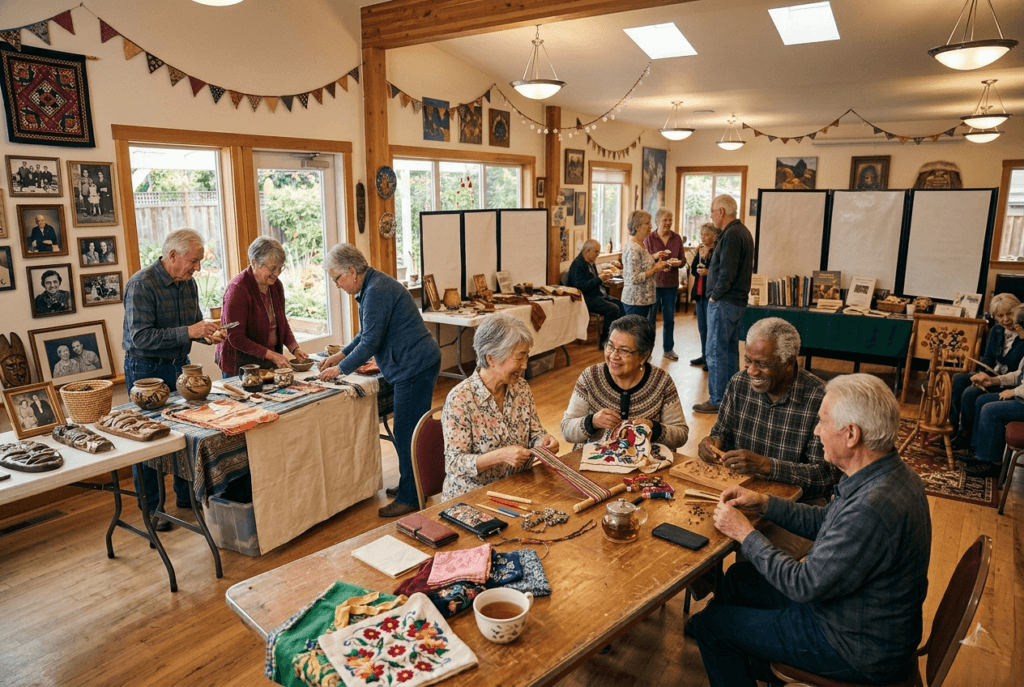
Residents feel more independent when they are not only receiving care, but also contributing to community life. Leading a hobby group, welcoming new residents, or helping plan events restores purpose and self-worth.
Families Encourage Independence Through Partnership
Families play a key role in supporting independence when their involvement is rooted in respect and collaboration. Rather than stepping in too quickly, they can have open conversations with seniors about the kind of assistance they truly need, allowing them to remain active participants in their own lives, while also reinforcing healthy aging tips for seniors that promote confidence and self-reliance. By working together with caregivers and sharing insights, families help create a balanced support system that empowers rather than limits.
Conclusion
Seniors maintain independence in assisted living when support is personalized, respectful, and designed to preserve control over daily life. The most effective communities protect routines, encourage safe mobility, support nutrition and medication participation, and create social and cultural environments where residents remain decision-makers. Independence is not a single skill; it is the outcome of many small choices reinforced each day through thoughtful care, empowering tools, and a community that treats seniors as capable individuals.