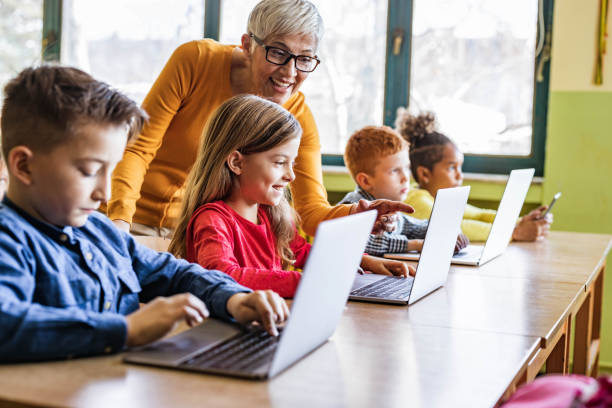
Reading, writing, and arithmetic will always sit at the heart of primary education, but they were never meant to be the whole story. Children spend a huge chunk of their formative years in classrooms, and that time shapes far more than test scores. It shapes how they think, how they treat people, and how they handle the small and big challenges life throws at them.
Parents today are increasingly looking for schools that understand this. A good elementary education should send children out with more than a report card full of grades; it should send them out with the tools to navigate friendships, setbacks, decisions, and everyday responsibilities. Here are nine such skills that deserve a permanent place in the elementary school curriculum.
1. Emotional Intelligence
Young children often struggle to name what they’re feeling, let alone manage it. Teaching emotional intelligence early gives kids the vocabulary to express frustration, sadness, or excitement without acting out. This reduces classroom conflict and builds a foundation for healthier relationships later.
Simple practices like feelings check-ins, guided breathing exercises, and open classroom discussions help children recognize emotional triggers. When teachers model empathy consistently, students learn to mirror that behavior with classmates.
Over time, emotionally intelligent children tend to handle disappointment and peer pressure with greater resilience and self-awareness.
2. Financial Literacy
Money management is rarely taught until it’s almost too late, yet basic financial concepts can be introduced surprisingly early. Simple lessons on saving, spending wisely, and understanding the difference between needs and wants build habits that last a lifetime.
Classroom activities like mock stores, allowance tracking exercises, or piggy-bank projects make abstract ideas tangible for young learners. These hands-on exercises turn numbers into real decisions children can relate to.
Starting this conversation in elementary school means kids grow into teenagers who already understand budgeting basics, rather than learning it by trial and error as adults.
3. Critical Thinking and Problem-Solving
Memorizing facts only goes so far when children face situations with no obvious right answer. Teaching them to ask questions, evaluate information, and weigh multiple solutions prepares them for a world that rarely hands out easy answers.
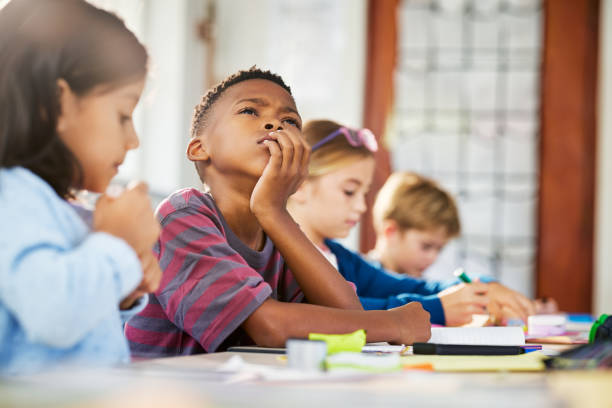
Puzzle-based learning, open-ended science experiments, and debate-style discussions encourage kids to reason through problems rather than guess. Teachers who reward curiosity over correctness help students feel safe attempting difficult questions.
This mindset carries into adulthood, shaping adults who approach challenges methodically instead of freezing when faced with uncertainty.
4. Communication Skills
Clear communication is a skill children use in every subject, every friendship, and eventually every job they hold. Elementary schools that prioritize public speaking, storytelling, and active listening give students a real advantage that extends well beyond the classroom walls.
Group presentations, show-and-tell sessions, and collaborative projects push shy children out of their comfort zones gradually. Practicing these skills regularly builds genuine confidence rather than forced performance.
Confident communicators are also better equipped to ask for help, express disagreement respectfully, and advocate for themselves as they grow older.
5. Digital Literacy and Online Safety
Children today encounter screens before they can tie their shoelaces, making digital literacy a non-negotiable life skill. Elementary schools need to teach safe browsing habits, basic coding logic, and how to spot misleading information online.
Age-appropriate lessons on password safety, screen time balance, and respectful online behavior prepare children for the digital world responsibly. This guidance matters just as much at home as it does in classrooms.
Building these habits early reduces risks like cyberbullying and oversharing personal information as children gain more independent device access.
6. Teamwork and Collaboration
Very few careers or life situations happen in isolation, which makes collaborative skills essential from an early age. Group projects, team sports, and classroom chores teach children how to share responsibility and work toward a common goal.
Learning to compromise, divide tasks fairly, and celebrate group wins over individual credit builds a cooperative mindset. Schools focused on skill-based learning, including a well-regarded elementary school in Bangalore, structure activities specifically to nurture this quality alongside academics.
Children who master teamwork early tend to adapt more smoothly to future school projects, sports teams, and eventually workplace environments.
7. Time Management and Organization
Juggling homework, extracurriculars, and playtime teaches children an early lesson in prioritization, but only if schools actively guide them through it. Simple tools like visual schedules, checklists, and homework planners help young students grasp the concept of managing their own time.

Teachers can reinforce this by breaking larger assignments into smaller, trackable steps rather than one overwhelming task. This approach reduces stress and builds a sense of accomplishment along the way.
These organizational habits, once internalized, make the transition to middle school and beyond noticeably smoother for most children.
8. Empathy and Social Responsibility
Kindness doesn’t develop automatically; it needs consistent modeling and practice, especially in mixed group settings like a classroom. Community service projects, buddy systems, and discussions about fairness help children understand perspectives different from their own.
Encouraging students to notice when a classmate feels left out, and to act on that awareness, builds a culture of inclusion rather than indifference. Small daily gestures matter as much as organized activities.
Children raised with strong empathy tend to grow into adults who contribute meaningfully to their communities and workplaces.
9. Resilience and Adaptability
Failure is an inevitable part of growing up, and how children respond to it matters far more than avoiding it altogether. Schools that normalize mistakes as part of learning help students develop a growth mindset instead of a fear of failure.
Encouraging kids to try again after a setback, reflect on what went wrong, and adjust their approach builds genuine resilience. Celebrating effort alongside results reinforces this lesson consistently.
Resilient children handle change, disappointment, and new challenges with far greater confidence as they move through school and life.
While schools play a vital role in developing these essential life skills, learning doesn’t stop when the school day ends. Parents who regularly explore trusted educational resources and informative articles can gain valuable insights into child development, effective parenting strategies, and modern educational practices. Staying informed allows families to reinforce these skills at home and create a stronger foundation for lifelong learning.
Final Thoughts
Academics will always matter, but they are only one piece of a much bigger picture. The skills listed above shape how children think, relate to others, and handle the unpredictability of everyday life. Schools that weave these lessons into daily routines are setting their students up for success that extends well beyond report cards and exam scores.
As parents evaluate schools, it’s worth asking not just about curriculum and test results, but about how a school nurtures character, confidence, and capability. That balance is often what makes the biggest difference in a child’s long-term growth.