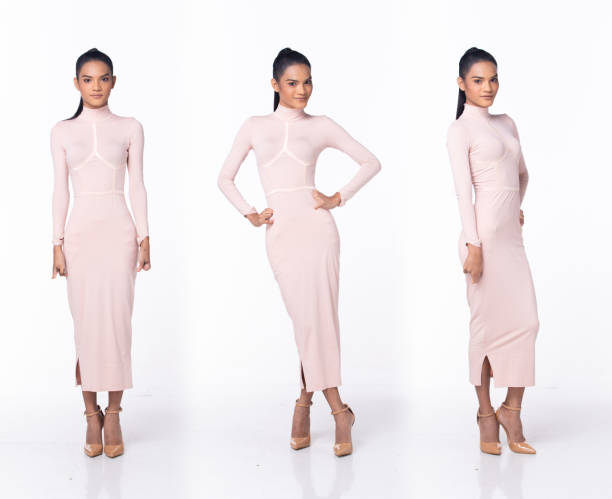
Bodycon dresses are designed to celebrate clean lines and close-to-the-body silhouettes, which makes foundation garments less of an afterthought and more of a styling tool. The right underlayers can refine the overall shape, improve drape, and help fabrics sit smoothly without distracting seams or visible edges. When done correctly, layering foundation garments should feel invisible in both appearance and comfort.
Seamless layering is not about changing your body; it is about controlling how the dress behaves as you move, sit, and stand. The goal is a polished finish that looks intentional from every angle, under every light source, and across different fabric weights.
Start With the Dress: Fabric, Stretch, and Sheerness
A seamless result begins by evaluating the dress itself and selecting the right base layer to complement its structure. A thick, double-knit bodycon behaves differently than a thin ribbed jersey or a slinky, high-stretch blend. Heavier fabrics often disguise minor garment lines but can amplify bulk if the foundation layer is too compressive or textured. Choosing the base layer ensures that the silhouette remains smooth without adding unnecessary volume. Lighter fabrics, on the other hand, tend to reveal edges, stitching, and even the outline of waistbands, making thoughtful base layer selection even more important.
Stretch recovery matters as much as stretch when determining the layer. Dresses that “snap back” firmly can catch on rough or rubberized panels, creating drag marks or uneven tension. When the dress is slightly sheer, skin-tone matching becomes essential, and smooth microfiber foundations typically outperform lacy or heavily seamed options. The right base layer in these situations helps maintain a polished, invisible finish while enhancing overall comfort and confidence.
Choose the Right Foundation Garment for Your Goal
The best foundation garment depends on what you want to refine. If the priority is a smoother midsection, high-waisted shorts or a brief can work well, while a bodysuit often helps unify the torso and back for a continuous line. If you want lift and contour through the bust with minimal seams, a supportive bra with clean edges may be preferable to an all-in-one option—especially when the dress has a defined neckline.
Quality and construction make the difference between “snatched” and simply uncomfortable. Look for bonded edges, flat seams, and fabric that glides under clingy knits. Many shoppers evaluate a shapewear brand in India by checking whether its pieces provide targeted support without rolling at the waist or cutting into the thigh, since those issues tend to show quickly under a fitted dress.
Prioritize a Seamless Base: Edges, Seams, and Transitions
Seamless layering is mostly about transitions. The most common giveaway under bodycon dresses is a harsh edge where the garment ends, such as a thigh hem, waistband, or bra band. Foundations with laser-cut hems or bonded finishing reduce the risk of a visible line, while thicker stitched hems are more likely to imprint through smooth fabrics.
Transitions also include what happens between garments. If you combine a bra and a high-waist short, the overlap area can create compression ridges or a slight step. A single-piece bodysuit can solve this, but if you prefer separates, choose fabrics of similar thickness and compression so the dress reads one consistent surface rather than multiple zones.
Nail the Fit: Compression Should Support, Not Distort
A common mistake is sizing down to increase compression. Overly tight foundations can create bulges at openings, force the dress to ride up, and even warp the garment’s natural seam lines. The right fit should feel secure but not restrictive, allowing you to breathe comfortably and move without the foundation shifting position.
Fit testing should mimic real wear. After putting on the foundation and dress, sit down, walk, and raise your arms. If the waistband rolls, the thigh hem creeps upward, or the bust line looks flattened instead of supported, the fit or style needs adjustment. True seamlessness is as much about stability as it is about smoothness.
Coordinate With Necklines, Backs, and Strap Placement
Bodycon dresses often feature low backs, plunging necklines, or thin straps, which can complicate foundation layering. For low-back styles, consider specialized low-back shapewear or adhesive solutions designed to stay hidden. For strapless looks, a well-fitted strapless bra with smooth edges can be more discreet than a full bodysuit that may introduce additional lines at the bust or back.

Strap placement should align with the dress’s architecture. If the dress has narrow shoulders, wide-set bra straps can peek out and disrupt the clean profile. Convertible bras, clear-back options, or well-designed bodysuits with centered straps can keep the silhouette consistent while still providing structure where you need it.
Manage Friction and Movement for an All-Day Smooth Finish
Even a perfectly chosen foundation garment can lose its seamless look if friction causes the dress to cling unevenly. Static, humidity, and fabric-on-fabric drag can lead to bunching at the hips or rippling near the waist. Smooth finishes—like microfiber or lightly slick technical knits—help the dress glide rather than grip.
Comfort strategies also influence appearance. If you are constantly adjusting the hem or pulling down a rolling waistband, the dress will shift and crease. Choosing breathable, supportive fabrics and ensuring the foundation stays anchored—especially at the waist and thighs—keeps the outer layer looking steady and intentional throughout the day.
Color, Lighting, and Final Checks Before You Step Out
Color selection is often overlooked. Under bright daylight or flash photography, stark white foundations can show under light-colored dresses more than a skin-tone match. The most seamless option usually mirrors your actual skin tone rather than the dress color. For darker dresses, avoid highly contrasting panels or shiny finishes that can create subtle highlights through thin fabric.
A final check should include multiple lighting conditions and angles. Stand near a window, then check under indoor lighting, and take a quick photo to see what the camera picks up. If you can see edges in a still image, they are more likely to appear in motion. This quick test can prevent last-minute discomfort and ensure a consistently smooth finish.
Conclusion
Seamlessly layering foundation garments under bodycon dresses is a balance of fabric compatibility, thoughtful construction, and precise fit. When you start with the dress’s stretch and thickness, select the right type of foundation for your objective, and prioritize smooth edges and stable support, the result is a clean, uninterrupted silhouette.
Most importantly, seamless layering should enhance confidence without demanding constant adjustments. With the right choices, your foundation garment becomes an invisible partner—supporting the dress’s shape, preserving its lines, and letting the bodycon style look polished and effortless from start to finish.