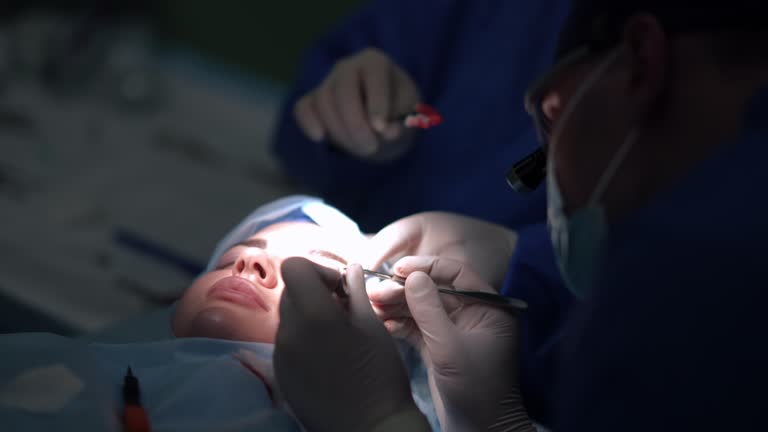
Choosing a surgeon for eyelid, tear duct, or orbital concerns is not a decision to rush. This area of the face is delicate, and the right hands can make the difference between a smooth recovery and unnecessary complications. If you are searching for expert care in Vadodara, here are seven practical tips to help you pick a surgeon who fits your needs, comfort level, and long-term eye health goals.
1. Check Their Qualifications and Specialised Training
An oculoplastic surgeon should hold formal ophthalmology qualifications along with additional fellowship training in oculofacial or oculoplastic surgery. This extra layer of training matters because it covers eyelid anatomy, tear drainage systems, and orbital structures in far greater depth than general ophthalmology alone.
Before booking a consultation, ask about their educational background and any specialised certifications they hold. A surgeon trained specifically in this subspecialty is better equipped to handle both routine eyelid issues and more complex reconstructive cases with precision.
2. Look for Experience With a Range of Conditions
Oculoplastic surgery covers a wide spectrum, from ptosis and entropion to eyelid tumours and orbital fractures. A surgeon who has managed diverse cases, not just cosmetic procedures, is likely to have the depth of judgement needed for oculoplastic eye surgery Vadodara patients often require for both functional and aesthetic concerns.
Ask how many years they have practised and whether they regularly treat conditions similar to yours. Surgeons with broad clinical exposure tend to anticipate complications early and adjust their surgical approach accordingly, which contributes to safer outcomes.
3. Evaluate the Hospital’s Surgical Infrastructure
The quality of surgical equipment and diagnostic tools plays a significant role in how a procedure unfolds. A well-equipped facility supports accurate pre-surgical assessment and allows for minimally invasive techniques where appropriate.
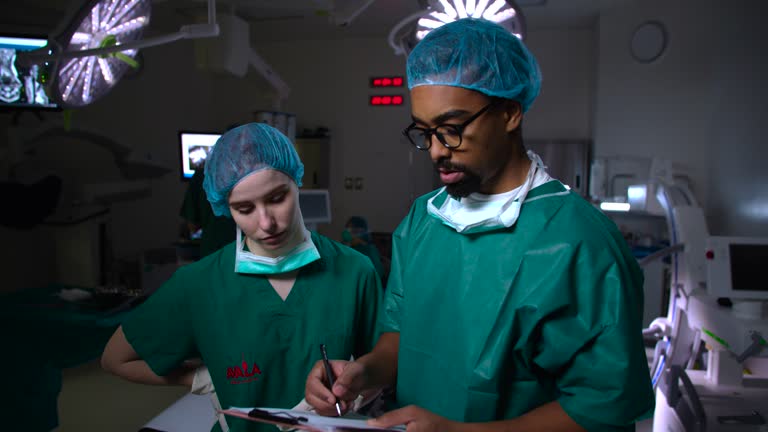
When shortlisting a surgeon, consider visiting the hospital or clinic beforehand. Notice whether the setup feels organised, hygienic, and modern. Good infrastructure combined with skilled hands generally translates into smoother procedures, quicker recovery times, and fewer post-operative surprises for the patient.
4. Read Patient Reviews and Testimonials
Feedback from previous patients offers a realistic picture of what to expect, beyond what a clinic’s website or brochure describes. Look for consistent themes in reviews, such as clear communication, punctuality, and satisfaction with both functional and cosmetic results.
While no surgeon receives universally perfect reviews, patterns matter more than isolated comments. Pay attention to how patients describe their overall experience, from the first consultation through recovery, as this often reflects the surgeon’s genuine approach to patient care.
5. Prioritise Clear Communication During Consultation
A good surgeon takes time to explain your condition, the recommended procedure, and realistic expectations without rushing through the conversation. During your first visit, notice whether your questions are answered patiently and in language you can actually understand.
This matters because eyelid and orbital procedures often involve both medical and cosmetic considerations. Surgeons who communicate clearly help you make informed decisions and reduce anxiety about the process, which contributes meaningfully to a more comfortable overall treatment journey.
6. Ask About Personalised Treatment Planning
Every eye and face is structurally different, so a one-size-fits-all approach rarely delivers the best results. A thoughtful surgeon assesses your specific anatomy, medical history, and goals before recommending a treatment plan tailored to you.

During consultation, ask how they customise procedures for individual patients rather than following a standard template. Surgeons who take this personalised route are generally more attentive to detail, which matters greatly when working around such a sensitive and visible part of the face.
7. Consider Post-Operative Support and Follow-Up Care
Recovery does not end the moment surgery is complete. A reliable surgeon and clinic offer structured follow-up visits, clear aftercare instructions, and accessibility if concerns arise during healing.
Before finalising your choice, ask how follow-up care is typically managed and how quickly the team responds to post-surgical questions. Consistent aftercare support often makes the biggest difference in achieving comfortable healing and long-term satisfaction with the surgical outcome.
Final Thoughts
Selecting the right oculoplastic surgeon in Vadodara comes down to careful research and honest conversations rather than guesswork. Take time to verify credentials, understand the surgeon’s experience, and gauge how comfortable you feel discussing your concerns with them. A well-informed choice today can lead to safer procedures and better long-term results for your eye health and confidence.